
Basel carnival
The exhibition "Basler Fasnacht" shows a cross-section of the Basler Fasnacht in atmospheric historical rooms.
ZONDAG
01.01.2004 -
31.12.2099 |
11:00 -
17:00
DONDERDAG, FRIJDAG, ZATERDAG
01.01.2004 -
31.12.2099 |
13:00 -
17:00
Openingstijden
Il museo resterà chiuso il 24 dicembre 2021 e il 31 dicembre 2021.
Prijsinformatie
Entrance fees whole house with all exhibitions
Adults 20 years and older: CHF 16.00
Youth 13-19 y.: CHF 5.00
Children up to 12 y.: free admission
Students/trainees up to 29 years: CHF 5.00
Groups from 10 persons, per person: CHF 11.00
Evenementenlinks
Details van het evenement
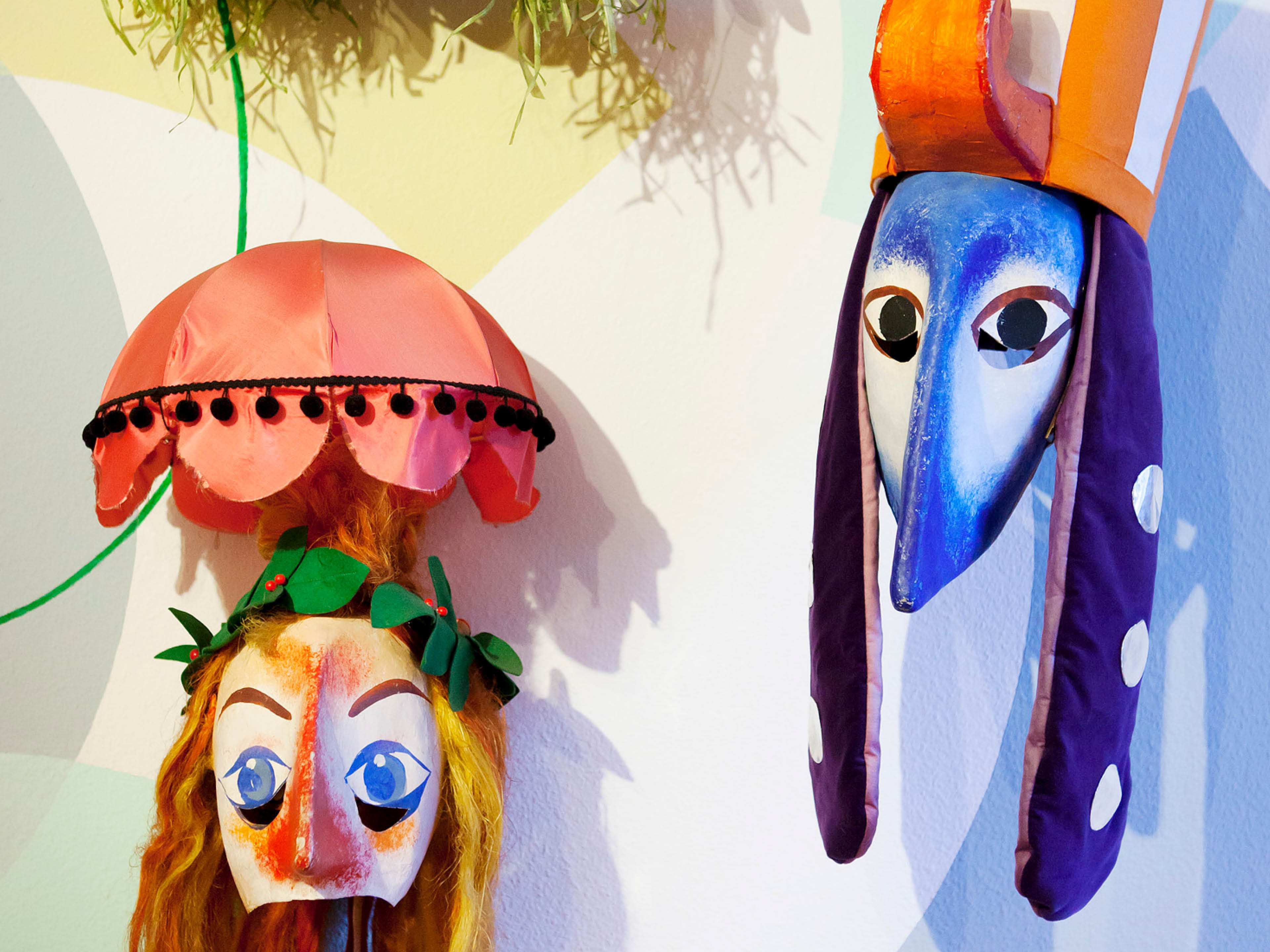
In historic rooms, the museum presents a colorful cross-section of the world-famous Basel carnival - from costumes, lanterns, larvae and musical instruments to historical documents and a recreated "Fasnachtsbeiz". A multimedia station additionally provides lively insights into the carnival goings-on.
The Basel Fasnacht is a major event that is as rich in tradition as it is in history. Year after year, it attracts tens of thousands of Basel residents and guests from all over the world.
The permanent exhibition "Basler Fasnacht" immediately takes visitors into an apartment where the unmistakable Fasnacht atmosphere prevails. Accompanied melodically by piccolo and drum sounds, one wanders through the corridor and the various rooms. These are richly filled with mostly historical utensils that give the Basel Fasnacht its distinctive face.
Shining resistance
Lanterns are the showpieces of every clique and at the same time shining "pièces de résistance". Room-high lantern screens in the corridor provide an impressive testimony to this resistance and the sometimes scathing criticism of politics and society. They also show that the Basel Carnival is not only a gigantic festival of sounds and tones, but also one of colors and fantasies.
Larval art
On the "three most beautiful days" of the year - as it is called in Basel - large parts of the population are actively involved, but also many artists. This is clearly visible in the lanterns and of course in the larvae, as masks are called in Basel.
Three rooms are dedicated to the high art of larvae. In one there is a larvae studio. A second presents original models. And in a third, the finished works of art that were worn can be seen.
Cultural heritage
The reconstructed "Fasnachtsbeiz" (carnival pub) shows how the Basel carnival still goes on today. A so-called Schnitzelbank also performs there. Singing and in verse, he makes fun of the events of the past year.
The Schnitzelbänke promote tolerance and cohesion in society through their social criticism, UNESCO judged. The Basler Fasnacht is comparable to a huge satirical magazine, it said. That is why UNESCO included the Basel Carnival in 2017 in the representative list of the intangible cultural heritage of humanity.
A cooperation between the Museum der Kulturen Basel and the Basel Carnival World Association
Note: This text was translated by machine translation software and not by a human translator. It may contain translation errors.
Organisator
Museum der Kulturen Basel
+41 61 266 56 00
info@mkb.ch
Locatie
Museum der Kulturen Basel
Münsterplatz 20
4051 Basel


Alle rechten voorbehouden.